First-hand experience in national security. Incomparable engineering skills. An untamable desire to solve hard problems.
In 2004, after nine years as an engineer at Apple (having worked on several high-profile projects such as the first iPhone and the open source Darwin operating system), Klee Dienes traded the Bay Area for the US Army. While deployed to Iraq in 2009 as a MEDEVAC pilot and team lead, he experienced the reality of modern mission technology: the in-flight tools that were supposedly there to protect him were every bit as life-endangering as enemy forces. The situation was no better with his feet on the ground: his skills as a Linux and network engineer were frequently called upon to address all manner of systems issues that threatened base-wide operations on a daily basis.
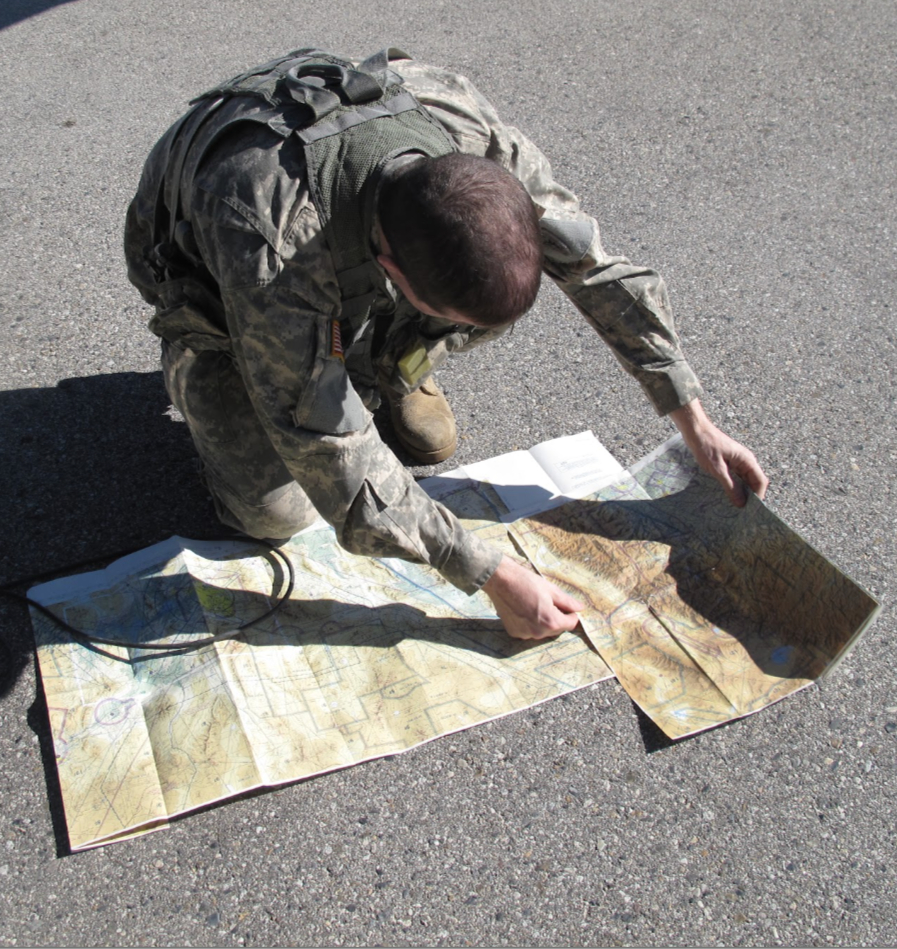
As a MEDEVAC pilot in Iraq, Dienes found that popular perceptions of military technology are extremely misaligned with reality: Instead of the fancy ops centers envisioned by Hollywood, real-world combat is full of poor technologies that often hobble more than they help. He was often forced to fall back on pre-digital tools to get the job done.
Dienes returned from Iraq in 2010 and started building a team to address the endemic technology problems he encountered there. Our backgrounds ought to make two things clear: we care deeply about this issue, and we know how to solve it.
Hartman has been a key member of the Internet security and Linux communities for the past 20 years. Concurrent with his work at Hadron, he is the leader of the Debian Linux project, as well as the Debian package maintainer of the Kerberos authentication system, the world’s dominant authentication system. These roles place him at the center of all Debian- and Ubuntu-based security and automation enterprises across the world. Previously, he was the director of security at the Internet Engineering Task Force, where he authored and managed the Internet Protocol’s security standards and facilitated their adoption across industry.
LeBlanc has extensive experience building interactive environments and data visualization software for a wide range of museum, commercial and technology clients. As Technical Producer at Potion Design, a New York-based design firm, LeBlanc managed the development, implementation, and installation of ten major interactive environments over a five-year period, including the Interactive Table at the Smithsonian’s Star Spangled Banner Exhibit, the Eyewitness to Genocide Project at the United States Holocaust Memorial Museum, and the Wall of Innovation for Alcatel-Lucent Bell Labs. He has a BS in Mathematics from MIT and a Master’s degree in interactive technology from New York University’s Tisch School of the Arts.
As the Director of Operations, VanBuskirk manages Hadron’s communications with DoD partners and customers. Outside of Hadron, VanBuskirk is one of our many citizen Soldiers. Before joining Hadron, he was the Brigade S2 and Theater Security Cooperation (TSC) Coordinator for the CENTCOM AOR Force Field Artillery Headquarters (FFAHQ). He also served as the Aide for the Deputy Commanding Generals of US Army Africa. After joining Hadron, VanBuskirk continued his military career completing Battalion Command and an overseas tour as the Opposition Force (OPFOR) Commander for exercise African Lion. He currently teaches the Defense Strategy Foundations Course and Understanding our Adversaries at the Army War College. VanBuskirk has degrees from Cornell University, American Military University and is enrolled in Army War College Strategic Studies Masters program.
Puksta is an actively serving Army National Guard Major with 15+ years of Army officer and enlisted experience in the Signal and Cyber Warfare domains. At Hadron, he helps government and defense contractors build, certify, and operationalize federally compliant, infrastructure-as-code cloud landing zones. He also manages Hadron's consulting services business, helping customers and partners build and maintain software factories and defense engineering tools across unclassified and classified networks. Computer systems he has built have been used in software development for the Dream Chaser Space Plane, Commercial Moon Landers, Biodefense Research, Special Operations Command, and the Internal Revenue Service. He holds a variety of commercial certifications — including ISC2, AWS, and Cisco — and a BS in Information Technology from the University of New Hampshire.
Get updates on our products and acquisition tips. We won’t use your address for any other purpose.